
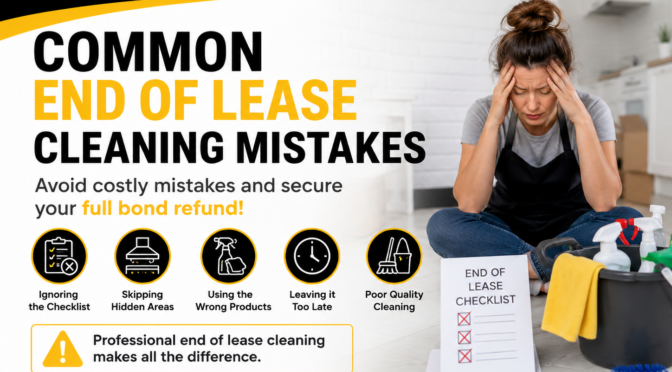
When the lease ends, the biggest fear for most tenants is losing part of their bond because of a sloppy clean. Common end of lease cleaning mistakes include missing high‑traffic areas, using the wrong chemicals, and neglecting the landlord’s specific expectations. By understanding these pitfalls and taking a proactive approach, you can walk away with a spotless property and a full bond refund.
Why Understanding Common End of Lease Cleaning Mistakes Is Critical for Tenants in Sydney
The rental market in Sydney, especially in suburbs like Parramatta, Blacktown, and Bondi, is highly competitive. Landlords and agents use detailed inspection reports to compare the property’s condition at move‑in and move‑out. A single oversight—such as a greasy stovetop or a stained carpet—can trigger a deduction. Moreover, many tenants underestimate the time and equipment needed for a professional‑grade clean, leading to rushed jobs and missed spots.
Common End of Lease Cleaning Mistakes: Real‑World Examples from the Inner West
Consider Sarah, who moved from a Surry Hills apartment. She vacuumed the floors but skipped the under‑furniture edges. The landlord’s agent noted “dust accumulation under the couch” and deducted $150 from her bond. In another case, James in Liverpool used a harsh bleach on his bathroom tiles, causing discoloration that required a specialist repair, costing him $300.
These stories illustrate how small errors can quickly become costly. Below, we break down the most frequent mistakes, why they happen, and the exact steps you can take to prevent them.
1. Ignoring the Lease‑Specific Cleaning Checklist
Every lease agreement includes a cleaning clause that outlines the landlord’s expectations. Tenants often assume a generic “clean the house” instruction is enough, but the reality is far more detailed.
- What to do: Request a copy of the move‑out checklist from your property manager. Compare it with the original condition report.
- Why it matters: Aligning your cleaning tasks with the checklist ensures you address every required item, from oven self‑clean cycles to carpet steam‑cleaning.
2. Overlooking Hidden or Hard‑to‑Reach Areas
Dust loves to settle in ceiling vents, behind radiators, and under kitchen appliances. These spots are easy to miss during a quick sweep.
- Solution: Use a flexible extension brush for vents, pull out appliances (with the landlord’s permission) to clean underneath, and schedule a dedicated 15‑minute “detail” window for each hidden area.
- Tools: Micro‑fiber dusters, portable vacuum with hose attachments, and a ladder for ceiling fans.
3. Using the Wrong Cleaning Products
Australian landlords often specify “no harsh chemicals” for marble countertops, timber floors, and stainless‑steel appliances. Using an abrasive cleaner can cause irreversible damage and trigger bond deductions.
- Tip: Choose pH‑neutral, eco‑friendly cleaners. For glass, a vinegar‑water solution works; for wood, a mild soap diluted in water is safest.
- Professional edge: KBT Cleaning PTY LTD carries industry‑approved products that meet the standards of property managers across Sydney CBD, Parramatta, and the Illawarra region.
4. Skipping Professional Carpet and Upholstery Treatment
Carpets are a major source of bond disputes. Tenants often vacuum and think they’re done, but deep‑seated stains and odours remain.
- Action: Arrange a steam‑cleaning service for high‑traffic rugs and carpeted hallways. For upholstery, a low‑foam shampoo can lift pet hair and spills.
- Local insight: In areas like Blacktown and Campbelltown, many properties have carpet tiles that require a specific hot‑water extraction method.
5. Rushing the Job and Cutting Corners
Time pressure is a common excuse, especially when moving out of a busy suburb such as Chatswood or Bondi. However, a hasty clean often results in missed spots, which agents will note.
- Plan: Allocate at least 3‑4 hours for a one‑bedroom unit and 6‑8 hours for larger homes. Break the job into rooms, and tick off each task on a printed checklist.
- Pro tip: Schedule the cleaning for the day before the final inspection, giving you a window to address any feedback.
6. Forgetting to Document the Clean
Evidence matters. Without before‑and‑after photos, you have little proof that you performed a thorough clean.
- Method: Take high‑resolution photos of each room, focusing on problem areas—oven interior, bathroom tiles, and carpet edges.
- Benefit: If a dispute arises, you can present the images to the landlord or the tenancy tribunal.
7. Not Communicating With the Property Manager
Many tenants assume the manager will simply accept the clean. In reality, a quick conversation can clarify any special requirements.
- Do: Call the manager a week before moving out. Ask if there are any preferred cleaning standards or recommended service providers.
- Result: You avoid surprise deductions and demonstrate responsibility, which can be advantageous for future rental references.
8. Neglecting Appliance Maintenance
Appliances are often inspected for grime and functionality. A neglected fridge gasket or a clogged dishwasher filter can lead to “unreasonable wear and tear” claims.
- Step‑by‑step: Defrost the freezer, wipe the interior with a mild cleaner, clean the dishwasher filter, and run a cleaning cycle on the washing machine.
- Local note: In Sydney’s coastal suburbs like Bondi and Wollongong, salt air can cause additional buildup on metal surfaces—extra rinsing is essential.
9. Overlooking Outdoor Areas
Balconies, patios, and shared gardens may be part of the tenancy agreement. Tenants sometimes ignore these spaces, assuming they’re the landlord’s responsibility.
- Action: Sweep the balcony, wipe down railings, and remove any trash. For communal areas, check the building’s cleaning schedule.
- Why it counts: A clean outdoor space reflects well on you and prevents unexpected fees.
10. Assuming “All‑Inclusive” Cleaning Services Cover Everything
When hiring a cleaning company, verify exactly what’s included. Some “standard” packages omit carpet steam‑cleaning or oven deep‑cleaning, which are often required by lease agreements.
- Check: Request a detailed scope of work. Ask if extra fees apply for high‑rise windows, grout cleaning, or pet‑odor removal.
- Recommendation: KBT Cleaning PTY LTD offers a transparent “End of Lease” package that includes all mandatory tasks across Sydney CBD, North Sydney, and the Illawarra region.
Putting It All Together: A Step‑by‑Step End of Lease Cleaning Plan for Sydney Tenants
- Two weeks before move‑out: Review your lease checklist and schedule a professional cleaning service.
- One week before: Declutter, donate, and remove all personal items.
- Three days before: Deep clean each room according to the checklist, focusing on hidden areas.
- Day before inspection: Take before‑and‑after photos, walk through with a friend for a fresh set of eyes.
- Inspection day: Be present, answer questions, and note any feedback for immediate correction.
Local Expertise Matters: Why Sydney and Wollongong Tenants Trust KBT Cleaning PTY LTD
KBT Cleaning PTY LTD has been serving the Greater Sydney area—including Parramatta, Blacktown, Liverpool, Penrith, Campbelltown, Bankstown, Ryde, Chatswood, Bondi, Surry Hills, North Sydney, Inner West—and the Illawarra region (Wollongong, Shellharbour, Dap0, Figtree, Corrimal, Fairy Meadow, Warrawong, Unanderra). Our technicians understand the specific cleaning standards expected by local councils and property managers.
- Fully insured and vetted staff familiar with high‑rise apartments and suburban houses.
- Eco‑friendly products that protect timber floors in historic North Sydney terraces and marble countertops in luxury Bondi units.
- Transparent pricing with no hidden fees for extra services like carpet steam‑cleaning or window cleaning.
Conclusion: Avoid the Pitfalls and Secure Your Bond
By recognizing and correcting the common end of lease cleaning mistakes outlined above, you safeguard your deposit and leave a positive impression on your landlord. Remember to follow the lease checklist, use appropriate products, clean hidden areas, and document everything. When in doubt, hire a trusted local professional such as KBT Cleaning PTY LTD to guarantee a thorough, compliant clean across Sydney and Wollongong.
Ready to move out stress‑free? Contact KBT Cleaning PTY LTD now for a free, no‑obligation quote. Call 0450 451 162 or visit kbtcleaning.com today.
What is the typical cost of end of lease cleaning in Sydney?
Prices vary by property size and specific tasks. A one‑bedroom apartment in Sydney CBD usually starts at $250, while a three‑bedroom house in Parramatta can range from $450 to $650. KBT Cleaning PTY LTD provides a detailed quote based on your checklist.
Do I need to clean the carpets myself or can a professional handle it?
Professional steam‑cleaning is recommended, especially for high‑traffic areas. It removes deep‑seated stains and odours that a regular vacuum cannot. KBT Cleaning includes carpet cleaning in its end of lease package.
How far in advance should I book a cleaning service?
Ideally, book at least two weeks before your move‑out date. This allows time for any additional tasks identified after the initial clean, ensuring the property meets the landlord’s expectations.
Can I use my own cleaning supplies instead of the company’s?
Yes, but ensure they meet the lease’s specifications. Harsh chemicals can damage surfaces and lead to deductions. Professional services bring the right products for each surface type.
What should I do if the landlord claims damage after I’ve cleaned?
Provide the before‑and‑after photos, the cleaning receipt, and the detailed checklist you followed. If a dispute persists, you can lodge a claim with NSW Fair Trading for a fair resolution.
Secure Your Full Bond Return Today
Let KBT Cleaning PTY LTD handle every detail of your end of lease clean. From carpet steam‑cleaning in Blacktown to window polishing in Bondi, we’ve got Sydney covered.


